


Reading as a Social Practice – Research Forum
ABOUT THE FORUM
Following the Berlin workshop in spring 2026, a shared desire emerged to continue exploring the questions developed there. This led to the formation of the Reading as a Social Practice Forum, an international network of researchers interested in reading, which began its activities in autumn 2026.
We meet regularly on Zoom to present and discuss projects and exchange ideas. The forum is organised by Irmtraud Hnilica and Martin Lenz.
FROM WORKSHOP TO FORUM
Continuing the Conversation
The interdisciplinary exchange initiated at the Berlin workshop in March 2026 continues through the Research Forum.
Explore the Workshop 2026
THE NETWORK
Forum Members
Exzellenzcluster 2020 Temporal Communities:
Doing Literature in a Global Perspective,
Freie Universität Berlin
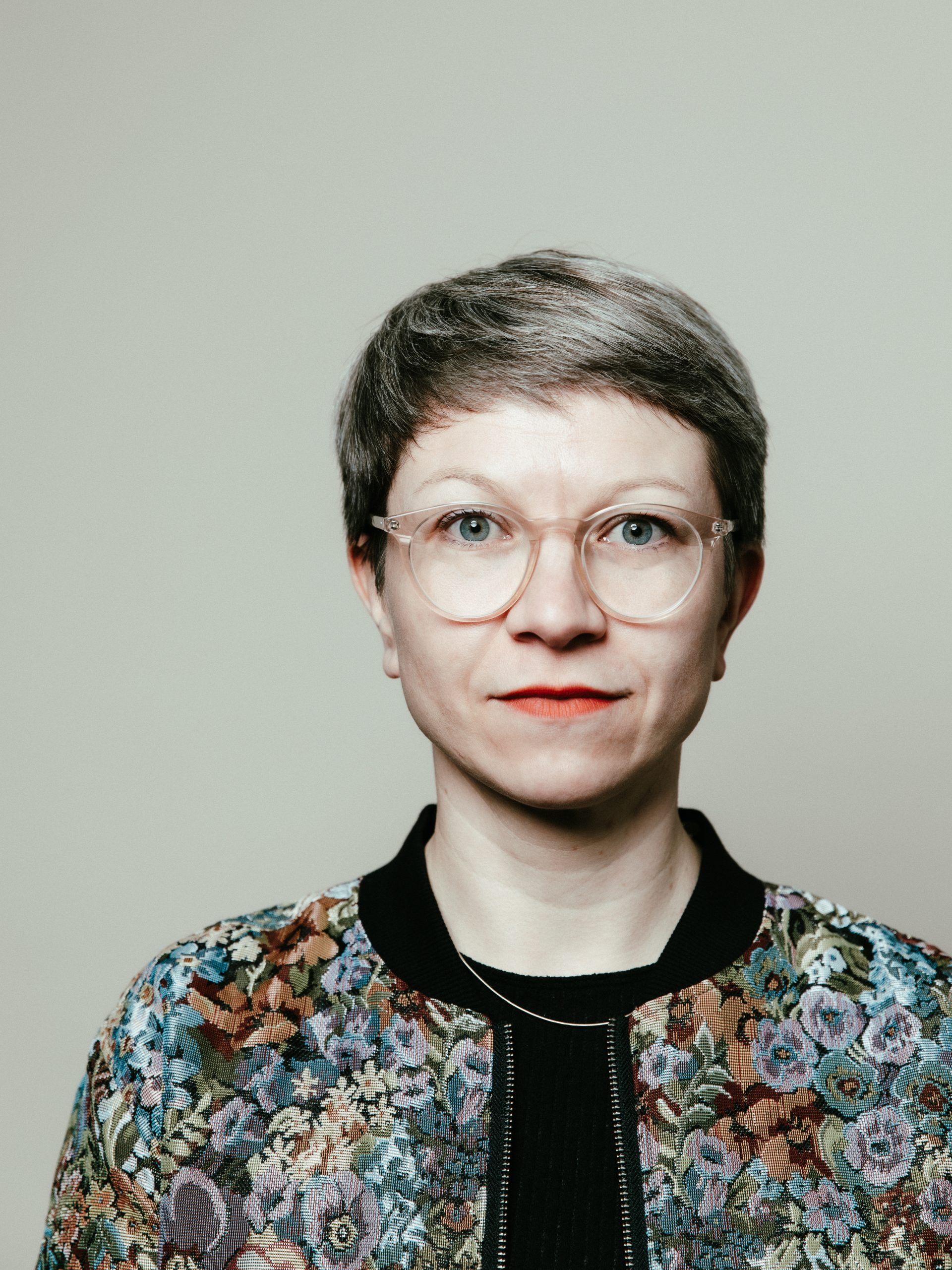
Barbara Bausch
Barbara Bausch is a literary scholar at the Cluster of Excellence 2020 Temporal Communities: Doing Literature in a Global Perspective at the Freie Universität Berlin. Her [Barbara Bausch´s] research interests focus on 20th- and 21st-century literature, particularly forms of political and experimental writing. In her research project READING READING, she examines reading as an aesthetic and social practice—both theoretically and through exploratory formats—drawing, among other things, on phenomena such as unreadability and practices of collective reading. Most recent publications: Standortbestimmungen. Strategien literarischer Selbstpositionierung (ed. with Julia Weber, Berlin Universities Publishing 2025), Illegibilities Reflecting Reading (ed., Textem 2025), and Spielformen der Störung. Ror Wolfs radikaler Realismus im Kontext experimenteller Prosa der 1950er–1980er Jahre (transcript 2024).
Wissenschaftlicher Mitarbeiter Universität
Mannheim und Tübingen
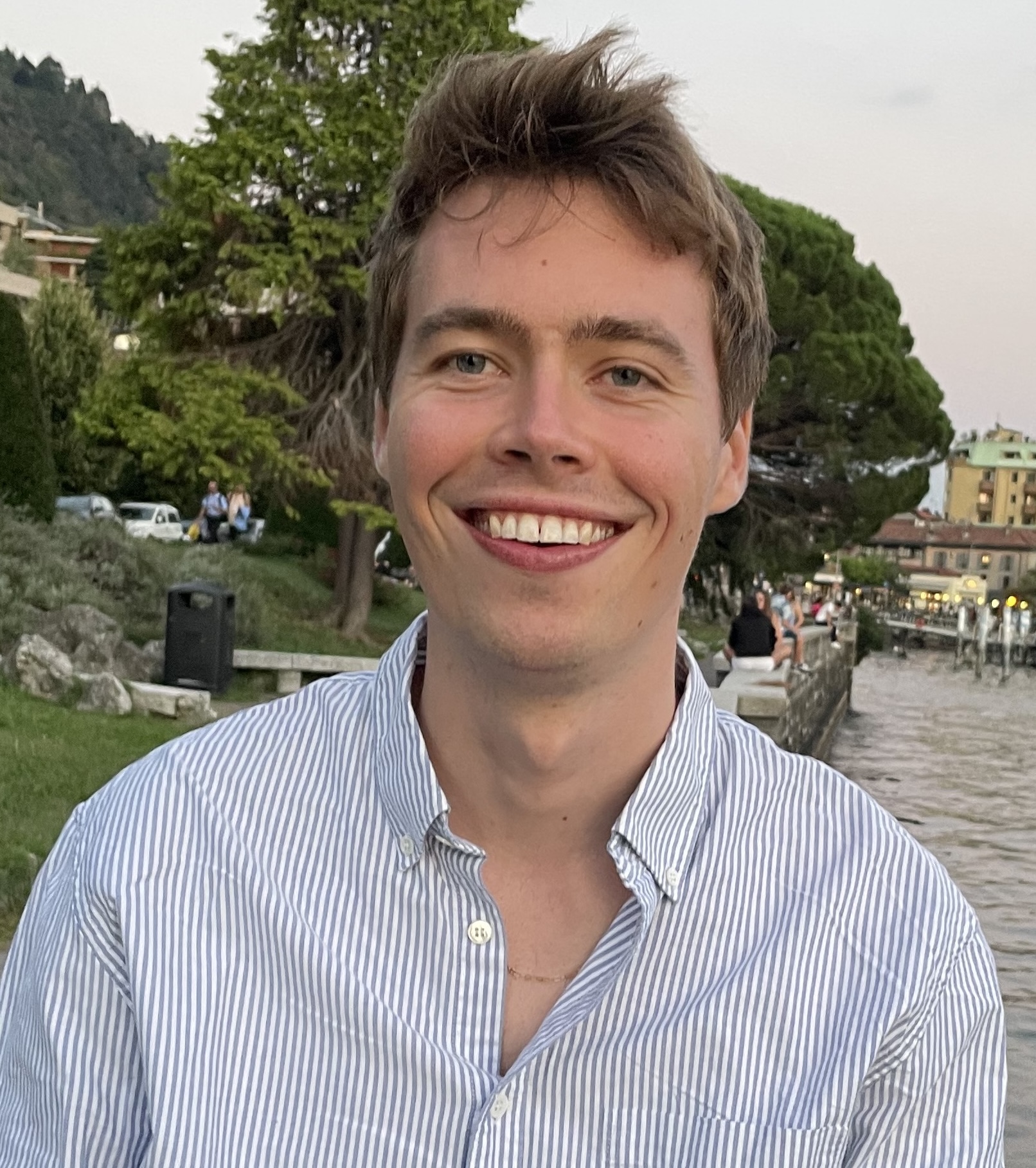
Julian Sieler
In my research, I focus on current phenomena and trends in reading: What and how do people read today, how do we talk about reading on social media oder in newspapers? Particularly interesting to me is the construction of masculinities: Which books are recommended to “men,” and how are men who don’t read, who read performatively or with great enthusiasm perceived, discussed, and often turned into memes? Overall, I’m interested in BookTok and the books discussed there. Right now, I’m devouring sports romances (insider tip: Heated Rivalry) – purely out of academic interest, of course!
Wissenschaftliche Mitarbeiterin Universität Marburg
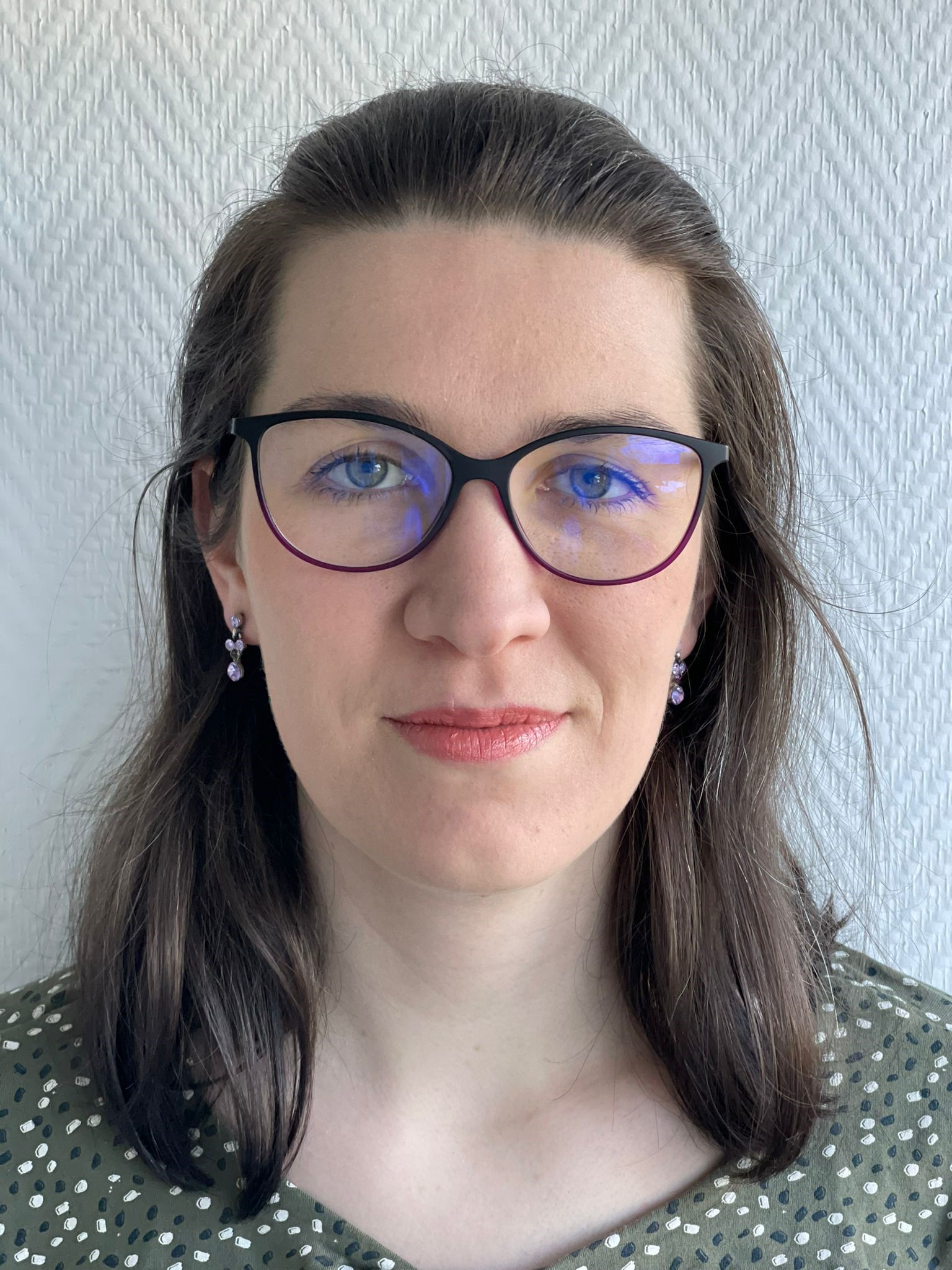
Céline Padtberg
I am writing my dissertation on reading scenes in 19th-century journal literature. I am particularly interested in this period because it is the century of literacy, and reading scenes allow us to trace the reading habits and practices of people from different social classes and genders. The journal as a medium also played an important role at that time, which is why it serves as the central starting point for my work.
Universität Wuppertal
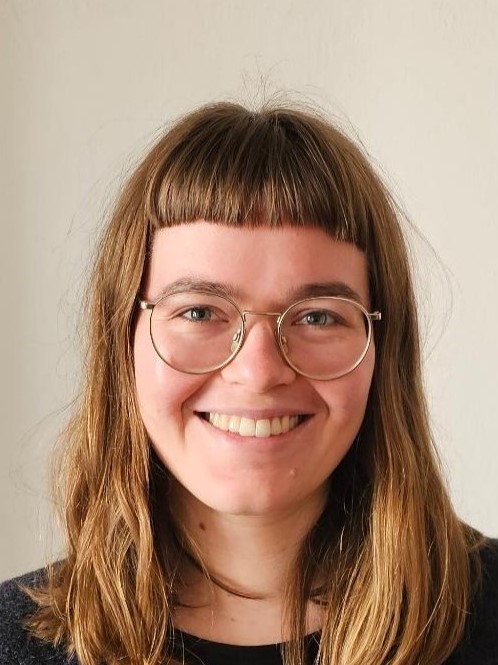
Jola Vollmer
Jola Vollmer’s research focuses on feminist reading practices in philosophy. These practices critically examine the composition of the philosophical canon, question gender hierarchies and gendered categories within philosophical texts, and reflect on androcentric working methods. Thus, feminist reading practices combine a critique of the androcentrism that continues to shape philosophy with an attempt to read canonical texts differently and apply them to contemporary issues. In her project, which is part of the ‘Reading as a Social Practice’ forum, she explores the extent to which feminist reading practices inherently contain a social dimension, and considers how focusing on the sociality of reading might open up new perspectives for these practices.
Department of Media Theory,
University of Applied Arts Vienna
Madeleine Span
As a sociologist of culture and art, Madeleine Span’s research focuses on the digital practices and affordances of contemporary society. In the context of “Reading as Social Practice”, she is particularly interested in the motives and patterns of behaviour of communities of reception within the digital sphere. In her dissertation, she analysed self-publishing in the context of a society of singularization and as a phenomenon of the contemporary literary sphere. In her current FWF Esprit-funded project (Grant DOI: 10.55776/ESP3180326), she extends this perspective to social media platforms, investigating how artistic researchers’ work practices in digital spaces are shaped by communities and platform logics.
Independent Researcher
Neelofar Khan
My research focuses on digital reading cultures and the ways in which social media platforms are transforming reading practices and literary participation. My current project, “Digital Reading Culture and Literary Communities on Social Media: A Study of Online Book Review Spaces,” examines platforms such as BookTok, Bookstagram, BookTube, and Goodreads as spaces where readers share, discuss, evaluate, and collectively shape literary experiences. In particular, I am interested in how these digital interactions contribute to the formation of online literary communities and reshape reading as a social and participatory practice.
Ca’ Foscari University, Venice
Valentina Sperotto
I lead the THOR project (The Habit of Reading: History, Philosophy and Practice) at Ca’ Foscari University of Venice, examining reading as an intangible cultural heritage from a historical-philosophical perspective. My research approaches reading both as a practice of attention and as a shared habit fostering social cohesion and inclusion, highlighted through reading laboratories, digital media, and participatory discussion around texts.
Gutenberg Institute for World Literature and
Written Media, Book Studies,
Johannes Gutenberg University Mainz
Maria Kraxenberger
My research explores reading as a social practice, shaped, for instance, by reading socialization and follow-up communication about what has been read, rather than as a purely solitary, cognitive act. My current project investigates this empirically in the context of climate fiction, examining how readers engage with, discuss, and are emotionally and motivationally shaped by contemporary climate narratives.
FernUniversität in Hagen
Charlotte Baumann
I will analyze actual (collective) reading practices in Latin America (particularly Guatemala) that bring colonial/Western political concepts into friction with lived realities. I ask: How is this friction experienced and expressed, how is it used to make new sense of the world and/or change social interactions?
University Cologne
Luce deLire
I am interested in imaginative reading practices concerning legal texts and in the constitutive role that unread texts play in political discourse. For example, people talk about politics, but people don’t read laws. This should be surprising, because most laws are available online. It goes together with a generally submissive relation that many people exhibit towards the law: like in Kafka’s famous fable, the law seems inaccessible, forever removed, and if the guard of the law (a lawyer?) says ‘you can’t go in’, then that is the end of the debate. But, as Kafka rightly says, if you don’t go all the way to the law to read it yourself, you will always remain outside of legal discourse. My question is therefore how political discourse is structured by the absence of reading the law, how this absence fabricates an inadequate expectation of unchangable and incomprehensible legality and how this could be changed, or better: what would a democratic society look like that democratised access to the law, in which reading the law was a collective practice and in which interpreting the law collectively and creatively was a common practice? Which reading strategies would this entail and how can we make it happen?
Universität Bremen
Stefanie Jakobi
My research focuses on transmedial and transgeneric storytelling in children’s and young adult media as well as on intersectional questions. Approached through the lens of reading as social practice, my current interest lies in how processes of literary evaluation shift when they move from institutionalised gatekeepers – literary criticism, juries, adult mediators – to digital reading communities. Reading as social practice thus emerges as an ambivalent procedure, one that builds community while simultaneously producing exclusions.
Assistant Professor of Philosophy, Theatre and
Political Aesthetics at the Institute for
Doctoral Studies in the Visual Arts (IDSVA),
Portland, USA
Silvia Mazzini
In her book Philosophy of Poverty (forthcoming 2027), theory and praxis of interpretation work as keystones for reinventing ancient legacies and strategies, turning them into eco-political tactics of resistance for today. As a theatre author, she is also exploring how embodied, community-based reading practices can read and rewrite, reinterpret, and reclaim neglected narratives.
FernUniversität Hagen
Samuel Pedziwiatr
In my project, I am interested in the technological and sociotechnical conditions of reading as the perception and interpretation of text. Using methods from philosophy of technology, the project investigates how the deployment of AI could preserve, transform, or undermine the particularized knowledge that (literary) reading is taken to cultivate (particularly narrative imagination). LLM’s and other AI will likely have ambivalent effects on specific reading skills and the epistemic conditions underlying reading practices that need to be individually assessed. On the negative side, there is a risk that LLM’s could erode our notions of textuality and authorship. On the positive side, AI could benefit reading by enabling more people broader access to diverse ranges of materials, by assisting people with disabilities or reading difficulties, and by opening new possibilities for creating and engaging with the written word.
PhD candidate in German Literature at
FAU Erlangen-Nürnberg
Bernadette Rauscher
In my dissertation project I’m focussing on BookTok and the relations between author, reader and text it implies. The community aspect seems to be a central point in this, as both, readers and authors stage themselves as part of the online community. Reading (and writing?) is explicitly understood as social practice that takes place both online and offline.
University of Stuttgart, Institute of Literary Studies
Merten Kröncke
I investigate the literary-theoretical ideas held by people who engage with literature outside of professional or academic contexts. Do “everyday readers” believe that the meaning of a text depends on the author’s intention? Do they think there is a single “correct” interpretation of a work? And what do they actually mean when they use the term “literature”? To explore these and related questions, I use quantitative and qualitative methods to analyze discussions and reviews on digital platforms such as LovelyBooks or Amazon.
Universität der Künste, Berlin
Tanja Prokić
At the center of my research is reading as a social practice, as well as the question of how digital media environments transform its conditions through the emergence of what I conceptualize as the user dispositif. I understand the user dispositif as a historically emergent mode of addressing subjects as users, through which use, affective participation, and value creation become interconnected in digital environments. My project examines how interface architectures, media affordances, and recurrent usage scripts shape modes of perception and action, thereby producing and structuring forms of literary reception and aesthetic experience.
Institute of Philosophy,
Faculty of Humanities and Cultural Studies,
University of Wuppertal
Bastian Ronge
At present, I am working, among other things, on the question of how the study of philosophy can be made more inclusive with regard to class. Against this background, I am particularly interested in a practice-theoretical analysis of the study of philosophy, including the question of how reading should be understood as a social practice within the academic or student form of life.